
 LinkedIn
 ALOOSTA
 Contact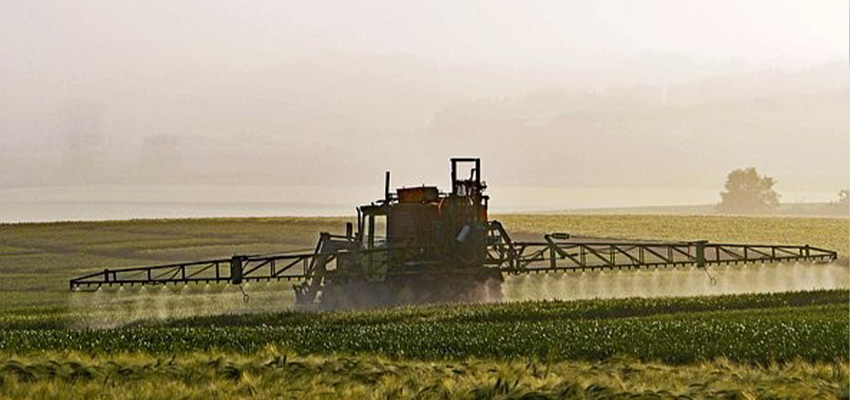
In 2025, the in Stuttgart conducted a series of tests focusing on TFA residues in fruits and vegetables. We have summarized the results for you.
Trifluoroacetic acid (TFA) is a water-soluble, persistent, perfluorinated and toxic carboxylic acid. It is formed as the final degradation product of fluorinated plant protection products, such as the herbicides flufenacet and diflufenican or the fungicide fluazinam. Another source is environmental contamination by per- and polyfluorinated alkanesulfonic acids (PFAS), which enter the water cycle via, for example, non-stick coatings (Teflon), coolants and lubricants, and fire-fighting foams. There are also natural sources of input, but these are not relevant in this context. A limit of 60 µg/l already exists for drinking water; however, a limit for food has yet to be established, as not all relevant influencing factors have been examined in detail. However, the EFSA has already established an ADI (Acceptable Daily Intake) value for TFAs. This is considered safe even in the case of lifelong exposure. It stands at 0.5 mg TFA per day for a toddler (body weight 10 kg) and 3.5 mg TFA per day for an adult (body weight 70 kg).
The CVUA has tested various types of fruit and vegetables and arrived at the following results:
The TFA levels may originate from residues of plant protection products or from contamination due to environmental factors. Of over 2,000 samples analysed, 19% contained measurable TFA levels, with 81% of these found in conventionally grown fruit and vegetables and 84% in organically grown produce – a finding that appears paradoxical at first glance. Exotic fruit varieties and leafy vegetables were most frequently found to contain TFA, with conventionally grown products performing worse than comparable organic produce. In the case of citrus fruits, stone fruits, berries and fruit vegetables, more samples from conventional farming tested positive for TFA than those from organic farming. It is also interesting to note that in the majority of samples, only TFA or TFA and one or two PFAS-containing pesticides were found in the residue profile. These were often the PFAS pesticides fluopyram, lambda-cyhalothrin and trifloxystrobin, albeit in low concentrations. Using kiwifruit as an example, the analysts found that practically the same amount of TFA was detected in peeled fruit as in samples from the same batches where the skin had been removed (as this is how the fruit is usually consumed). This means that TFA quickly penetrates into the flesh due to its water solubility. Of the 43 kiwi samples, 86% showed TFA levels. These ranged from 0.759 mg/kg in a fruit from Italy to 0.021 mg/kg, also from Italy. On average, a level of 0.075 mg/kg was detected.
YOUR PLUS: The AGROLAB laboratories test your fruit and vegetable samples for residues of fluorinated pesticides. As there is currently no regulatory framework for TFA in food, we analyse TFA in drinking water. Where required, we work with accredited partner laboratories for other food matrices.
Further information can be found .
Author: Dr Frank Mörsberger, AGROLAB GROUP


 Contact
 Career