
 LinkedIn
 ALOOSTA
 Contact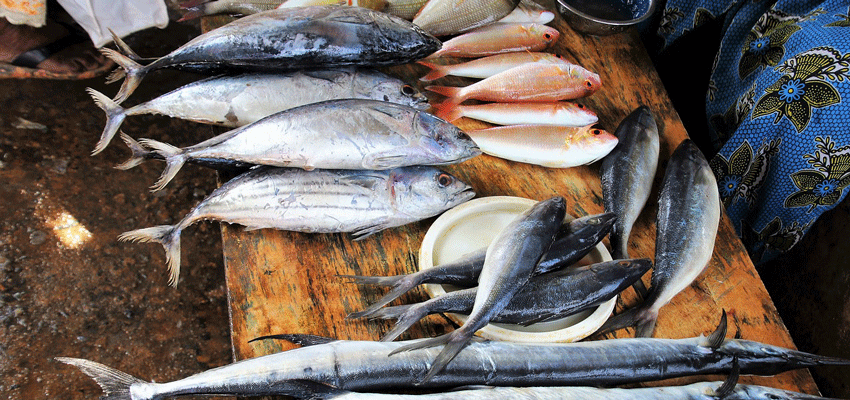
The Catalan Food Safety Agency (ACSA) has recently published the report "Adverse effects of histamine and other biogenic amines" warning about the health risks associated with the presence of these substances in food.
Histamine, together with other biogenic amines such as tyramine, putrescine and cadaverine, may form when food is not properly handled or stored, especially in products such as fish, meat, fermented foods, cured products and foods undergoing maturation processes.
The report highlights two main health issues. On the one hand, acute food poisoning (also known as scombroid poisoning), which occurs after consuming food with high histamine levels and causes symptoms such as flushing, headache, nausea and digestive discomfort. On the other hand, histamine intolerance, a more chronic condition affecting individuals with impaired histamine metabolism, where even moderate intake may trigger adverse reactions. In addition, other biogenic amines can intensify the effects of histamine.
ACSA concludes that, despite current control measures, histamine remains a frequent cause of food safety alerts, particularly in fish products, and stresses the importance of good hygiene practices, strict temperature control and regular analytical monitoring.
How AGROLAB can help
At AGROLAB, we offer ISO 17025 accredited analyses for histamine and other biogenic amines, ensuring reliable, accurate and officially recognised results. In addition, we provide accredited testing of the BAI index, a useful parameter for assessing quality and potential risk related to biogenic amines in certain food products.
YOUR PLUS: Our analytical services enable companies to prevent food safety issues, comply with regulatory requirements and, most importantly, protect consumer health, in line with the recommendations of the ACSA report.
Author: Dr. Isabel Gómez, AGROLAB Iberica


 Contact
 Career