
 LinkedIn
 ALOOSTA
 Contact
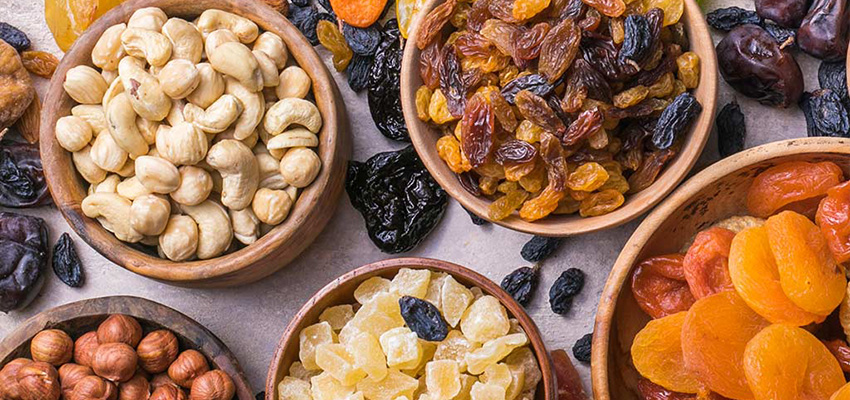
Nuts are a part of autumn – and not just for squirrels. When the weather turns colder, nuts are not only a source of energy but also rich in minerals and vitamins.
According to the Federal Centre for Agriculture, annual per capita consumption of nuts in Germany stands at around 5.8 kilograms. That is around 27 per cent more than it was ten years ago. Nuts are a source of high-quality fats, proteins and vitamins. The German Nutrition Society (DGE) recommends eating a handful of nuts every day. Although the nuts and mixed nut blends available in shops are generally of good quality, it is still important to be careful. Anyone buying nuts in their shells should check the origin and the year of harvest. Particularly at the start of the nut season, stale stock from the previous year occasionally finds its way onto the market. Nuts from the current harvest season not only taste milder but are also richer in vitamins, particularly vitamin E, and contain valuable phytochemicals such as antioxidants. If one looks at the reports from the European Rapid Alert System for Food and Feed (RASFF), unfortunately many reports of mycotoxin contamination still relate to nuts and dried fruit from typical countries of origin, such as Argentina, Turkey and the USA. In random sampling tests, pistachios and peanuts relatively frequently exceed the permissible limits for aflatoxins and ochratoxin A. These mould toxins are among the most dangerous biotoxins, as they accumulate in the body over a lifetime and are highly carcinogenic.
YOUR PLUS: The AGROLAB GROUP’s laboratories specialise in quality testing of nuts and dried fruit. Through their analyses, they ensure that manufacturers of nut products select only safe batches for further processing – thereby guaranteeing that nuts can be enjoyed without worry.
Author: Dr Frank Mörsberger, AGROLAB GROUP


 Contact
 Career
