
 LinkedIn
 ALOOSTA
 Contact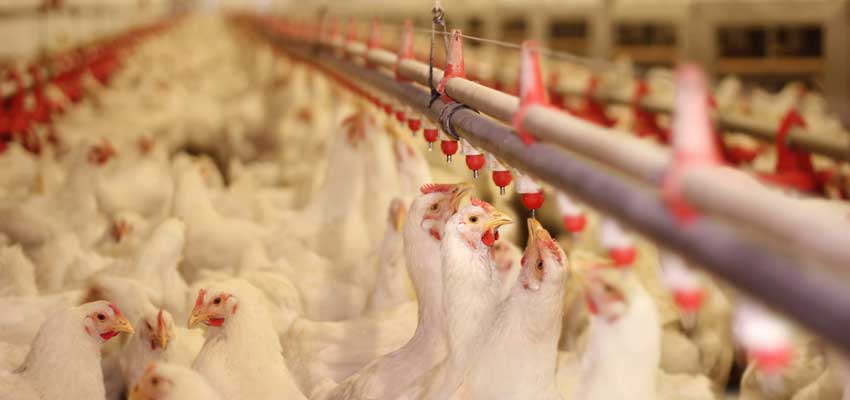
Campylobacter is the most common cause of bacterial diarrhoea worldwide. Recent studies in the United Kingdom paint an alarming picture.
Rising antibiotic resistance – that is, the fact that bacteria are resistant to drugs that are actually intended to kill them – is making the treatment of Campylobacter infections increasingly difficult.
In a published in the Proceedings of the National Academy of Sciences (PNAS), researchers analysed nearly 2,800 bacterial genomes collected between 1979 and 2024 from chickens and wild birds in 30 countries. They found that the enormous global expansion of ‘industrial poultry farming’ has created ideal conditions for the spread, mixing and acquisition of new, survival-enhancing traits by the bacterium.
YOUR PLUS: Strict hygiene standards from farm to kitchen, combined with regular microbiological testing of poultry meat and products made from it, are the only way to reduce the risk of bacterial infections, which can be particularly critical for immunocompromised individuals.
Author: Dr Frank Mörsberger, AGROLAB GROUP


 Contact
 Career