
 LinkedIn
 ALOOSTA
 Contact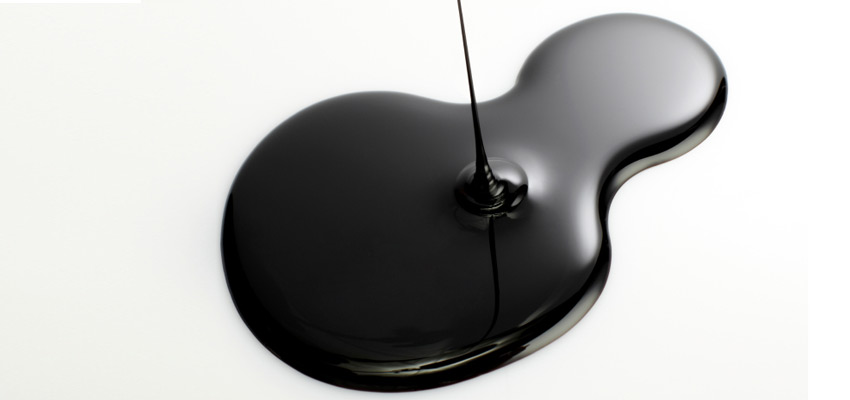
Although the relevant regulation has not yet been published, the EU Member States already reached agreement in May on the substance of the regulation setting limit values for MOAH and guideline values for MOSH.
Mineral oil hydrocarbons (MOHs) originate from petroleum products. Their presence in foodstuffs is usually due to unintentional contamination during processing, packaging or as a result of environmental factors.
MOH are usually divided into two main groups: MOAH (aromatic mineral oil hydrocarbons) and MOSH (saturated mineral oil hydrocarbons). MOSH are hydrocarbons saturated with mineral oil and form one of the groups of mineral oil hydrocarbons, which are either branched or linear and have chain lengths of approximately 10 to 50 carbon atoms.
MOAHs are compounds that contain an aromatic ring system consisting of one or more rings. They are often linked to one or more branched or unbranched chains of saturated hydrocarbons. The group of MOAH compounds is very large. However, the health risk associated with human (and animal) exposure is not the same for all compounds. Studies have shown, however, that mutagenic effects and carcinogenicity correlate with the number of aromatic rings – the risk increases when there are three or more rings.
In addition, other petroleum fractions are grouped together: these include polyolefinic, oligomeric, saturated hydrocarbons (POSH), which are frequently found in plastics such as polyethylene and polypropylene. Trace amounts of POSH can migrate into food via film packaging. PAOs (polyalphaolefins) are short-chain, synthetic olefins. They are found, for example, in solvents or lubricating oil products, which are also used in food processing. It is not always possible to prevent small quantities of these from entering food.
On 13 May 2026, the SCoPAFF section on ‘Novel Foods and Toxicological Safety of the Food Chain’ adopted the draft regulation on maximum levels (MLs) of aromatic mineral oil hydrocarbons (MOAH) in food (SAFETY/CONT/020/26).
Pending the formal publication and entry into force of the Regulation, the Commission and the Member States have agreed on the joint SCoPAFF statement. This is intended to bridge the transitional period.
The following limit values will be set out :
Maximum EU levels Sum MOAH per 1-1-2027 (or later if indicated) for food categories of relevance for our clients (oilseeds/fruits, fats and oils, products derived thereof and food additives made from fats/oils):
| MOAH | Product category | Maximum residue levels for MOAH (integrated sum C10-<= C50 ) in mg/kg | ||||
| entering into force: | 01.01.2027 | 01.03.2027 | 01.01.2028 | 01.03.2029 | 01.01.2030 | |
| 5.5.2.2.1 | Groundnut, sesame, coconut and cereal germ and cereal bran oils placed on the market to the final consumer or used as an ingredient in food | 6,0 | 4,0 | 2,0 | ||
| 5.5.2.2.2 | Groundnut, sesame, coconut and cereal germ and cereal bran oils destined for further refining and are labelled as such | 2,0 | ||||
| 5.5.2.3.1 | Grape seed, cotton seed, blackcurrant seed and argan oil placed on the market to the final consumer or used as an ingredient in food | 10,0 | 5,0 | 2,0 | ||
| 5.5.2.3.2 | Grape seed, cotton seed, blackcurrant seed and argan oil destined for further refining and are labelled as such | 2,0 | ||||
| 5.5.2.4 | Olive pomace oil and refined olive pomace oil | 10,0 | 5,0 | 2,0 | ||
| 5.5.2.5.1 | Fish oils and oils from other marine organisms and algae placed on the market to the final consumer or used as an ingredient in food | 10,0 | 5,0 | |||
| 5.5.2.5.2 | Fish oils and oils from other marine organisms and algae destined for further refining and are labelled as such | 5,0 | ||||
| 5.5.2.6 | Olive oils other than those listed in 5.5.2.4 | 4,0 | 2,0 | |||
| 5.5.2.7.1 | Other oils/fats (incl. palm oil, cocoa butter, shea butter) placed on the market to the final consumer or used as an ingredient in food | 4,0 | 2,0 | |||
| 5.5.2.7.2 | Other oils/fats (incl. palm oil, cocoa butter, shea butter) destined for further refining and are labelled as such | 2,0 | ||||
| 5.5.2.8 | Products derived from fats and oils (containing > 80% of fats and oils) and products containing > 50% fat/oil content which only contain fats and oils listed under 5.5.2.1, 5.5.2.6 and 5.5.2.7 | 2,0 | ||||
| 5.5.3 | Tree nuts | 2,0 | ||||
| 5.5.4 | Pulses | 0,50 | ||||
| 5.5.5 | Cereal grains and products derived from cereals | Products derived from cereals are defined as products containing > 80% of cereal products, excluding oils derived from cereals to which the maximum levels of category 5.5.2 apply. The maximum level does not apply to cereals used for the production of beer or distillates, provided that the remaining cereal residue is not placed on the market as food. In case the remaining cereal residue is placed on the market as food, the maximum level applies, taking into account Article 3(1), (2) and (4). The fat/oil content refers to the declared fat/oil content or, in absence of a declared fat/oil content, to the fat/oil content as determined by the competent authority. |
||||
| 5.5.5.1 | Cereal grains | 0,50 | ||||
| 5.5.5.2 | Products derived from cereals with < 4% fat/oil content | 0,50 | ||||
| 5.5.5.3 | Products derived from cereals with ≥ 4% and ≤ 50% fat/oil content | 1,0 | ||||
| 5.5.6 | Milk (2) | 0,50 | ||||
| 5.5.7 | Dairy products (2) other than those listed under 5.5.2.1. |
The fat/oil content refers to the declared fat/oil content or, in absence of a declared fat/oil content, to the fat/oil content as determined by the competent authority. | ||||
| 5.5.7.1 | Products with < 4% fat/oil content | 0,50 | ||||
| 5.5.7.2 | Products with ≥ 4% and ≤ 50% fat/oil content | 1,0 | ||||
| 5.5.7.3 | Products with > 50% fat/oil content | 2,0 | ||||
| 5.5 8 | Cocoa beans and cocoa products | |||||
| 5.5.8.1 | Cocoa beans | 2,0 | ||||
| 5.5.8.2 | Cocoa mass | 2,0 | ||||
| 5.5.8.3 | Cocoa powder and fat reduced cocoa powder | 1,0 | ||||
| 5.5.9 | Spices, dried herbs, dry tea and dry herbal infusions that are used as an ingredient in food, dry instant tea and dry instant herbal infusions | 10,0 | 5,0 | |||
| 5.5.10 | Infant formulae(3), follow-on formulae(3), young-child formulae(4), food for special medical purposes intended for infants and young children(3), baby food(3), processed cereal-based food for infants and young children(3) and drinks for infants and young children placed on the market and labelled as such. | The fat/oil content refers to the declared fat/oil content or, in absence of a declared fat/oil content, to the fat/oil content as determined by the competent authority. | ||||
| 5.5.10.1 | Products with < 4% fat/oil content | 0,50 | ||||
| 5.5.10.2 | Products with ≥ 4% and ≤ 50% fat/oil content | 1,0 | ||||
| 5.5.10.3 | Products with > 50% fat/oil content | 2,0 | ||||
| 5.5.11 | Food supplements | 10 | 5 | |||
| 5.5.12. | Food additives | No max. levels apply for food additives. Food additives that are produced from oils or fats, shall be produced from oils that comply with the maximum levels established under this Regulation for oils and fats placed on the market to the final consumer or used as an ingredient in food. |
||||
| 5.5.13 | Processed and compound foods which contain ingredients listed in categories 5.5.1, 5.5.2, 5.5.3, 5.5.4, 5.5.5, 5.5.6, 5.5.7, 5.5.8, 5.5.9 and 5.5.12 and which do not fall under categories 5.5.10, 5.5.11 and 5.5.14 | The fat/oil content refers to the declared fat/oil content or, in absence of a declared fat/oil content, to the fat/oil content as determined by the competent authority. For tea and herbal infusions these maximum levels only apply to instant tea, instant herbal infusions and tea and herbal infusions that are used as an ingredient in food and not to other tea and herbal infusions. |
||||
| 5.5.13.1 | Products with < 4% fat/oil content | 0,50 | ||||
| 5.5.13.2 | Products with ≥ 4% and ≤ 50% fat/oil content | 1,0 | ||||
| 5.5.13.3 | Products with > 50% fat/oil content | 2,0 | ||||
| 5.5.14 | Compound foods containing ≥ 15% spices and/ or dried herbs and /or dry tea |
|||||
| 5.5.14.1 | Compound foods containing ≥ 75% spices and/ or dried herbs and/or dry tea | 5,0 | ||||
| 5.5.14.2 | Compound foods containing ≥ 50% and < 75% spices and/ or dried herbs and/or dry tea | 3,5 | ||||
| 5.5.14.3 | Compound foods containing ≥ 15% and < 50% spices and/ or dried herbs and/or dry tea | 2,0 | ||||
| For foot notes refer to the regulation after publishing | ||||||
For MOSH, guideline values will continue to apply instead of maximum levels. If MOSH concentrations are detected that exceed the specified guideline values, food business operators should arrange for further investigations to be carried out to identify possible sources of contamination.
| MOSH | Product category | Indicative level (action level) in mg/kg |
| entering into force: | 01.01.2027 | |
| Olive pomace oil, grapeseed oil, blackcurrant seed oil, cottonseed oil, cereal germ oil, safflower oil, essential oils, fish oils and oils from other marine organisms and algae and products derived from these fats and oils |
50 | |
| Animal and vegetable fats and oils other than those listed under points (a) or (c) and products derived from these fats and oils; | 30 | |
| Linseed oil, maize oil, rapeseed oil, sunflower oil, soybean oil, cocoa butter, products derived from these fats and oils; spices, dried herbs, herbal infusions, food supplements |
15 | |
| Cocoa beans, cocoa and chocolate products other than cocoa butter, confectionary other than cocoa and chocolate products; Processed meat and offal; Processed fish and other seafood, processed eggs |
10 | |
|
Oilseeds, oil fruits, tree nuts, pulses, cereal grains & cereal based food, |
5 | |
| Liquid formulas and drinks for infants and young children | 1 |
YOUR PLUS: At first glance, the limit values table for MOAH appears rather complicated. But don’t worry – the experts at AGROLAB laboratories are your competent partners and will support you in correctly interpreting the analytical results.
Author: Dr. Frank Mörsberger, AGROLAB GROUP


 Contact
 Career